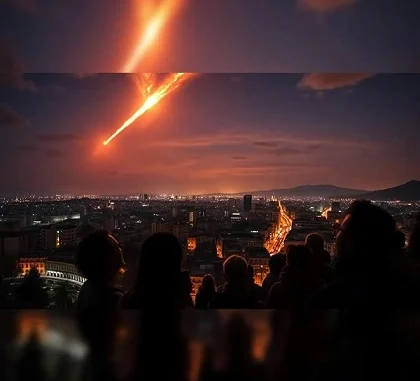
The Lyrid meteor shower is one of the oldest known meteor showers, with records dating back over 2,700 years. It occurs annually in April and is associated with the debris trail of Comet C/1861 G1 (Thatcher).
Key Details about the Lyrid Meteor Shower:
Peak Viewing Period: The Lyrids typically peak around April 21–23 each year.
Radiant Point: The meteors appear to originate from the constellation Lyra, near the bright star Vega.
Meteor Rate: At its peak, you can expect to see around 10–20 meteors per hour under ideal viewing conditions. Occasionally, the Lyrids produce outbursts with significantly higher rates.
Meteor Speed: Lyrid meteors travel at about 29 miles per second (47 km/s), creating bright, fast streaks in the sky.
Fireballs: The Lyrids are known for producing occasional bright meteors, known as fireballs, which can leave glowing trails.
How to Watch the Lyrids:
Best Time:
The best viewing is usually after midnight and before dawn on the peak nights.
The shower is visible from both the Northern and Southern Hemispheres, but it’s best observed from the Northern Hemisphere.
Location:
Find a dark area away from city lights.
Allow your eyes to adjust to the darkness for at least 20 minutes.
Viewing Conditions:
Check the weather forecast for clear skies.
Avoid light pollution and bring a blanket or reclining chair for comfort.
No Telescope Needed:
Meteors are visible to the naked eye, so no special equipment is necessary.
Also Read : World Earth Day 2025 Speech | Top Points
Upcoming Lyrid Meteor Shower (2025):
Peak Dates: April 21–22
Moonlight Impact: Check the lunar phase for the given year. A full moon can reduce visibility of meteors, whereas a new moon provides optimal conditions.

Be the first to comment